How to Create Custom Magic: The Gathering Cards as Unforgettable Gifts
Finding a memorable gift for someone who loves Magic: The Gathering can be a delightful challenge. While booster packs and playmats are always appreciated, they rarely capture the personal stories and inside jokes that make friendships special. This is where custom MTG cards enter the scene. A thoughtfully designed card can immortalize shared experiences, hobbies and even playful banter, turning a simple gaming accessory into a cherished memento. Custom cards let you transform your friends into legendary creatures, immortalize game‑changing moments or celebrate a relationship milestone in a way only fellow planeswalkers understand.
Magic players form a vibrant community that spans casual kitchen‑table games and competitive tournaments. They treasure their collections, sleeve their favorites and trade cards that carry nostalgic value. Because the game is a tapestry of art, mechanics and storytelling, the idea of crafting a unique card specifically for someone you care about carries tremendous emotional weight. In a landscape where material gifts can feel impersonal, a custom MTG card stands out by conveying thought, effort and creativity. Whether you’re celebrating a birthday, anniversary or simply surprising a friend “just because,” a personalized card is a heartfelt tribute to your shared love of the game.
Why Custom Magic Cards Make the Perfect Gift
Custom cards fuse creativity with sentimentality. They allow you to embed private jokes, heartfelt messages and references that only your gaming circle would understand. When players pull out a custom card during a casual game, it sparks conversation and laughter. Each time the recipient sees or plays the card, they’re reminded of the person who made it and the shared moments that inspired it. This makes custom cards “evergreen” gifts: they resonate regardless of the season or occasion. Unlike consumable presents, a well‑designed card stays in a collection indefinitely, often displayed proudly in a binder or standing on a shelf alongside favorite decks.
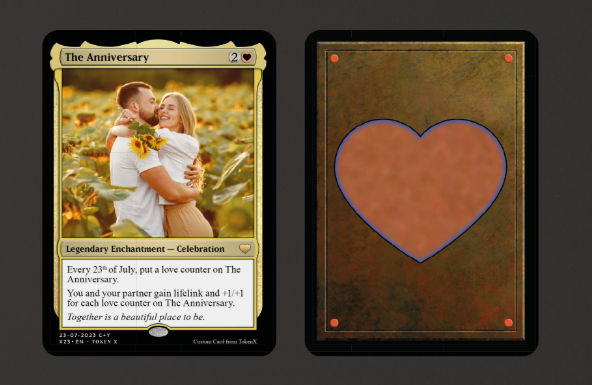
Another reason custom cards are appealing is that Magic’s rich ecosystem provides a built‑in language for conveying emotions and themes. You can turn someone’s real‑life traits into game mechanics, embed a humorous win condition reflecting their playstyle or depict them as a heroic planeswalker. For couples, custom cards offer a playful way to celebrate anniversaries or engagements by blending personal stories with fantasy motifs. Because Magic: The Gathering has been around for decades, players of all ages appreciate thoughtful card gifts. The game’s longevity ensures that custom cards remain meaningful long after the gift is given, continuing to evoke nostalgia and connection.
Understanding the Basics of Magic Card Design
Before you dive into creating your own cards, it helps to know a bit about how official cards are structured and designed. Wizards of the Coast, the company behind Magic: The Gathering, follows guidelines to ensure that cards are clear, balanced and coherent. Many custom card designers make the mistake of cramming too many abilities into a single card. Mark Rosewater, one of Magic’s lead designers, notes that novice designers often overload cards with multiple abilities and flavor “add‑ons,” which makes them hard to read and distracts from the card’s main idea:contentReference[oaicite:0]{index=0}. Simplicity is key: cards with concise rules text are easier to understand and generally more appealing to players.
Another important concept is the “color pie.” Each of Magic’s five colors (white, blue, black, red and green) represents specific philosophies and abilities. For example, white tends to focus on order, protection and communal growth, while red embodies freedom, emotion and chaos. If you’re designing a card that draws inspiration from these themes, it’s helpful to align the card’s abilities with the appropriate colors. Articles on custom card creation advise designers to learn the basics of the color pie from official sources and to stay up to date on modern card wording:contentReference[oaicite:1]{index=1}. This ensures your card feels authentic within the game’s universe and makes it more intuitive for players to use.
Simplicity also extends to layout. Overly long rules text is discouraged because it can cause confusion and overwhelm the reader. The Untap Open League, which hosts custom card contests, recommends paying attention to how many lines of text you use. Too many lines can indicate that a card is attempting to do too much:contentReference[oaicite:2]{index=2}. Cards with clean, minimalist text boxes tend to look more polished and are easier to grasp at a glance. When in doubt, playtest your card with friends: if players consistently need clarification on how it works, the design may be too complex.
Step‑by‑Step Guide to Creating a Custom Card
Now that you understand some fundamentals of card design, let’s explore how to create a custom Magic card from start to finish. Whether you’re using online tools like MTG Cardsmith, Magic Set Editor or commissioning an artist to bring your vision to life, the following steps will guide you through the process. Feel free to modify them to suit your creative style and the preferences of your recipient.
- Brainstorm the Concept: Start by thinking about the person you’re gifting. Are they known for a specific style of play? Do you share any inside jokes or memorable game moments? Identify one or two core ideas that will form the basis of your card’s design. For example, if your friend is always pulling off sneaky combos, you might design them as a rogue with a surprise effect. If they love playing green decks, you could embody their character as a flourishing Nature mage.
- Select the Card Type and Color: Decide whether your card will be a creature, sorcery, instant, enchantment, artifact or planeswalker. Each type has distinct attributes: creatures engage in combat, instants and sorceries provide one‑time effects, enchantments and artifacts can alter the board over time, and planeswalkers are powerful allies with multiple abilities. Align the card’s type and color with your concept. If your friend is a methodical strategist, a blue instant might fit; if they are fearless and spontaneous, a red sorcery could capture that energy.
- Draft the Abilities and Text: Write rules text that conveys the card’s effects clearly and concisely. Avoid stacking too many abilities; remember the advice from professional designers that cards should remain simple and straightforward:contentReference[oaicite:3]{index=3}:contentReference[oaicite:4]{index=4}. Aim for one primary ability and, if necessary, a secondary effect that complements it. Use official MTG terminology (like “destroy,” “exile,” or “draw”) so players understand the card’s intent. If your card references a person’s real‑life skills or personality traits, translate them into mechanics that fit the color pie. For example, a meticulous planner might scry (peek at upcoming cards), while a social butterfly might create token creatures to represent their friends.
- Create or Choose Artwork: Art plays a significant role in how a card is perceived. You can commission an artist to illustrate the recipient as a character in a fantasy setting or adapt existing art styles to match Magic’s aesthetic. If drawing isn’t your strong suit, use stock images or free art resources that align with your concept. Make sure the artwork fits the card frame and communicates the card’s theme at a glance. Cards with evocative art can strengthen the emotional connection and make the gift more visually appealing.
- Use a Card Creation Tool: Once you have your concept, abilities and art, upload these elements to a card generator. Sites like MTG Cardsmith, MTG Card Builder and Magic Set Editor provide templates that mimic official card frames. Select the appropriate frame for your card’s color and type, import your artwork, and input the card’s name, mana cost, type line, rules text and power/toughness (if it’s a creature). Some tools also let you add flavor text—a short line that adds personality or humor without affecting gameplay. This is the perfect place to include a personal quote or reference that ties the card back to your friendship.
- Balance and Playtest: Even if your card is meant for casual play, it’s worth checking that it isn’t drastically overpowered. Compare your design to similar official cards to gauge whether the mana cost and abilities are appropriate. Play a few mock games with friends using proxies of the card to see how it feels in action. If players have trouble remembering triggers or find the card overwhelming, consider simplifying it further. Good design balances novelty with fairness, ensuring your card can be enjoyed by everyone at the table.
- Print and Present: After finalizing your design, print the card on sturdy cardstock or order a professionally printed copy through a custom printing service. For the finishing touch, sleeve the card to protect it. You can present it in a small box or paired with a handwritten note explaining the inspiration behind the design. If the card commemorates a specific event—like a tournament win or an inside joke—include that context in your note so the recipient appreciates the full story behind the card.
Creative Ideas for Personalized Cards
The possibilities for custom Magic cards are as varied as the game itself. Here are a few creative ideas to inspire your design. Adapt them to fit your friends’ personalities, gaming habits or life milestones:
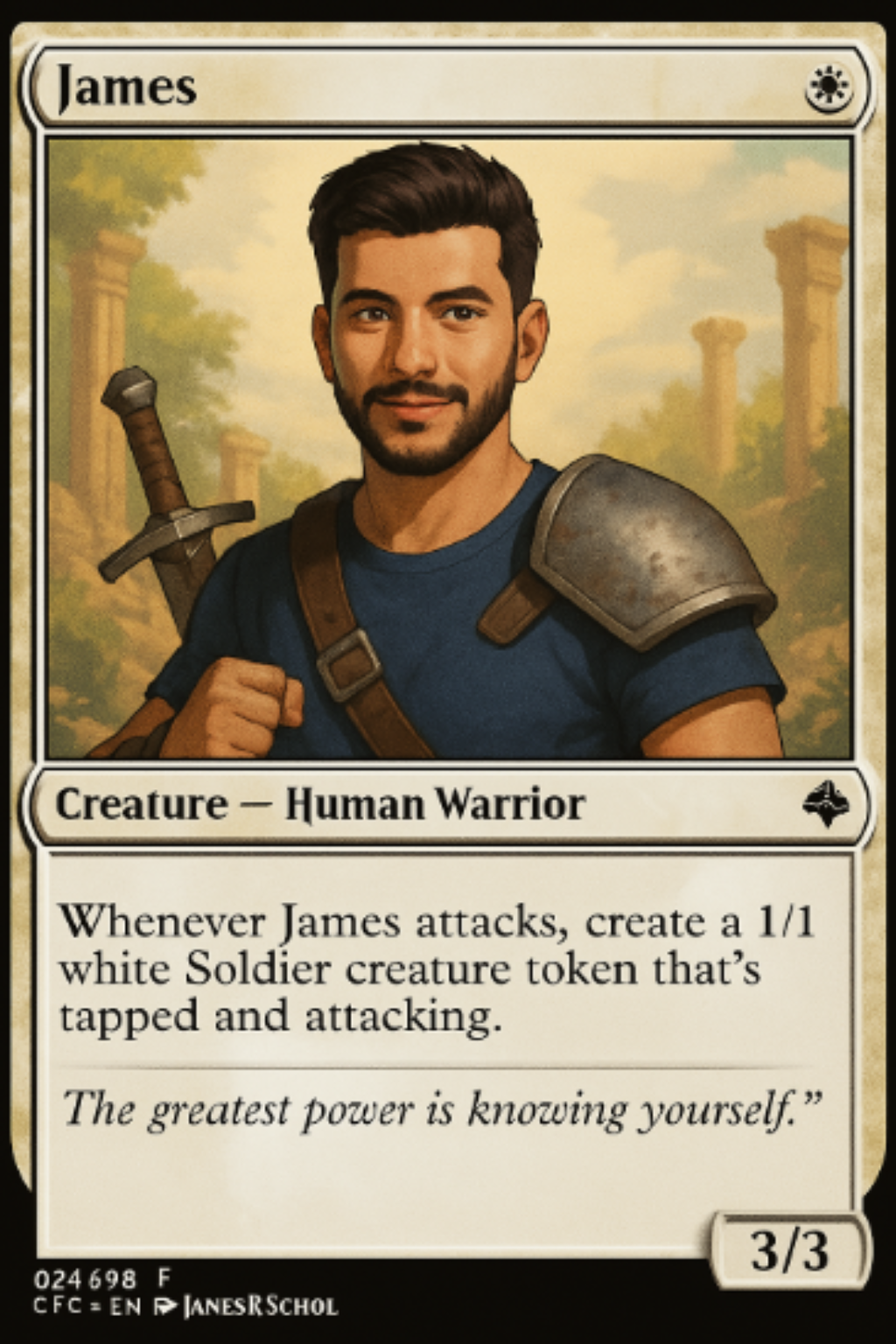
- Legendary Friend: Turn the recipient into a legendary creature with abilities that mirror their play style or real‑life qualities. If they’re the group’s “rules guru,” give them an ability to tutor cards or counter spells. If they’re known for building wide boards, create a commander that generates creature tokens.
- Commemorative Spells: Immortalize a memorable game moment by designing a sorcery or instant that recreates that situation. Maybe your friend once won a game by top‑decking a crucial removal spell; design a card called “Last‑Turn Savior” that destroys a target creature and draws a card. Each time the card is played, it will bring back the memory of that thrilling win.
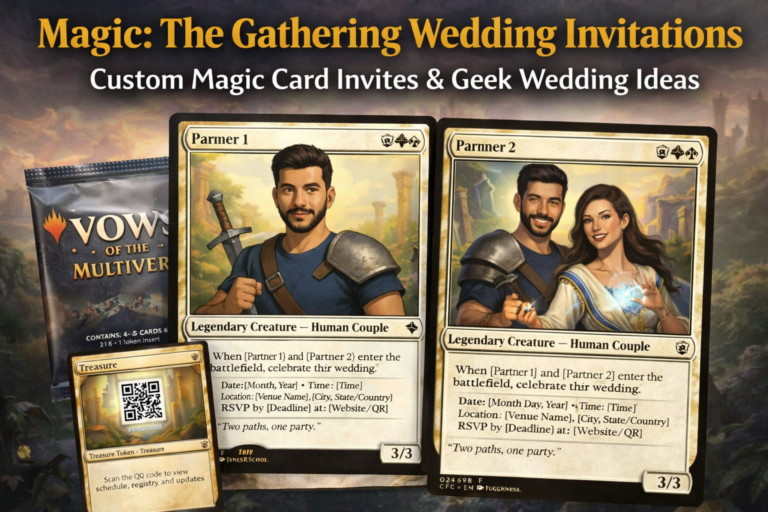
- Couple Cards: For couples who play Magic together, design complementary cards that interact when both are on the battlefield. One card could represent a partner who supports and protects, while the other provides offensive power or resources. When together, the cards could receive a power boost or trigger special effects, symbolizing the strength of their relationship.
- Inside Jokes: Incorporate group memes or catchphrases into flavor text or card names. For example, if your group laughs about someone always forgetting triggers, create an enchantment called “Forgotten Trigger” that penalizes players for missing their effects. Humor adds an extra layer of enjoyment and makes the card uniquely meaningful to your circle.
- Achievement Tokens: If your friend recently achieved something outside the game—graduation, job promotion, marathon completion—commemorate it with a token generator. Design a card that creates “Achievement” tokens with custom names and art representing their accomplishment. Each token could have a small ability or simply act as a fun reminder of their achievement.
Making the Gift Presentation Special
Creating a custom card isn’t only about the design; how you present it can enhance the surprise and delight. Consider packaging your card in a thematic way. For example, if your card depicts the recipient as a powerful mage, place it in a small wooden box decorated with mystical symbols. Include a parchment‑style letter that narrates their heroic feats, written in the flavor of a Magic story. These thoughtful touches turn a simple card into an immersive experience that feels like it came straight from the plane of Dominaria or Ravnica.
You could also bundle the card with a few booster packs, a custom playmat featuring matching art or a personalized life counter. If your friend enjoys Commander, pair the card with a deck you’ve built around its theme; this allows them to play with their custom card right away. For couples, pair the cards with a framed print of the artwork or a photo that inspired the design. Presentation matters, and taking the time to wrap the card or include a handwritten note shows that you value the recipient and the bond you share.
Final Thoughts
Custom Magic: The Gathering cards blend game design with heartfelt personalization. By learning basic design principles and tapping into the rich symbolism of the Magic universe, you can create a gift that resonates with fans of all ages. Keep your card simple and focused to ensure it’s both attractive and playable:contentReference[oaicite:5]{index=5}:contentReference[oaicite:6]{index=6}, and don’t be afraid to infuse humor, sentiment and creativity. Whether you’re immortalizing a game‑changing moment, celebrating a relationship or highlighting someone’s achievements, a custom card is a unique way to express your appreciation. The next time you’re searching for a thoughtful present, consider designing a card that transforms your friend or loved one into a legendary part of the Magic story.